


In today’s highly complex world, businesses must work with multiple vendors to procure the goods, services, and technology they need to run smoothly. But to ensure a fruitful relationship with new vendors, you need to deliver a comprehensive vendor onboarding process.
In this article, we’ll explain everything you need to know about the vendor onboarding process, covering:
But before we dive in, let’s define what we’re talking about.

Sometimes known as supplier onboarding, vendor onboarding is the process of welcoming and integrating new vendors into your organisation’s operations. In this context, a vendor is an entity that provides goods or services to another business or organisation.
The vendor onboarding process lays the foundations for a collaborative and mutually beneficial working relationship, enabling the vendor to best serve you and meet your needs. Here are some of the key objectives of the vendor onboarding process:
When these objectives are realised, the vendor onboarding process can yield all sorts of benefits for your business, allowing you to boost operational efficiency, reduce costs, and scale faster.

So what exactly does a successful supplier onboarding process look like? In this section, we’ll look at the steps involved.
Note: The exact step you’ll need to take will depend on various factors, including the industry you operate in, your organisational requirements, and the complexity of the vendor’s offering.
The example below is for a technology or software vendor. If you are onboarding a vendor that offers non-tech-related services, for example, you’ll have to ignore certain parts of this process and perhaps modify others. But generally speaking, most of the steps below can be applied to vendors of any kind.
Before you start the actual onboarding stage, there are several key steps you need to follow to set yourself up for success and ensure that you’ve chosen to work with the right vendor. Here are some examples.
This initial stage is all about identifying your business’s requirements for a vendor partnership. This might involve asking questions such as:
Answering these questions will help you narrow down the field and choose a vendor that aligns with your business’s needs, values, and strategic objectives.
It’s important that you establish clear expectations around the vendor’s performance from the start. This will help avoid disappointment or even conflict further down the line. This involves defining the KPIs you will use to assess the vendor’s performance, including:
By setting clear, measurable benchmarks, you establish a relationship based on mutual understanding and transparency. You also provide a logical basis for evaluating vendor effectiveness throughout the relationship.
Before you decide to work with a vendor, you need to conduct a thorough due diligence. This is part of the vendor approval process and will help you assess any risks associated with entering into a relationship with them. Typically this process involves evaluating the vendor’s:
This will help you identify any risks, vulnerabilities, or concerns, allowing you to make an informed decision about whether to work with a vendor or not.

Once you’ve decided to work with a vendor, it’s time to start the onboarding process. Here are some important steps to consider.
Establishing an onboarding roadmap helps ensure that the process follows a logical set of steps, and that each part of the process happens at the right time. Once you’ve created an onboarding roadmap, you can save it as a template to guide future onboarding processes.
Here are some steps to consider:
Clear communication is critical throughout the onboarding process and beyond. You’ll need to determine primary points of contact for both your business and the vendor, as well as the channels you’ll use to communicate — e.g. email, phone, or communications tools like Slack.
Make sure you also agree on the frequency of communication. Urgent issues aside, how often will you check in with the vendor to discuss progress and ensure that your KPIs are being met?
You’ll need to gather key information from the vendor to integrate them with your current systems. This might include:
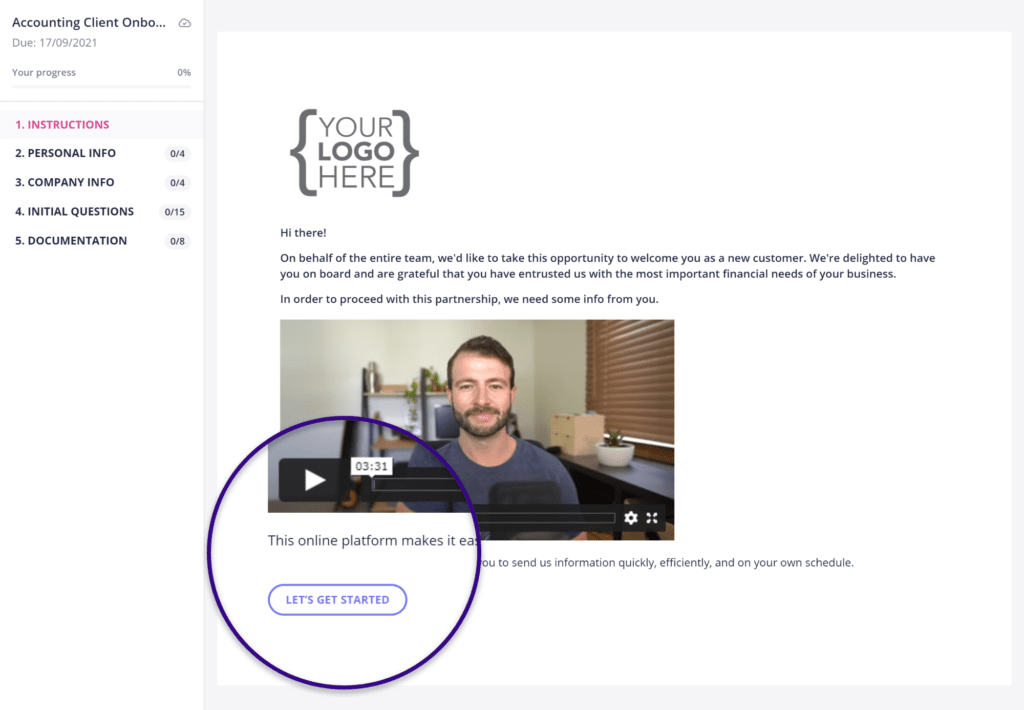
With a dedicated data-collection tool like Content Snare, you can streamline the registration and data-collection process. Content Snare allows you to build custom forms that guide vendors through the submission process step by step.
Vendor onboarding requires an exchange of information. You’ll need to make sure they have all the relevant documentation, protocols, and guidelines they need to work with you harmoniously.
Depending on the type of product or service they offer, the vendor may also need to know about your reporting structures, escalation procedures, and security-related protocols.
If you are procuring IT, tech, or SaaS products from your vendor, you’ll need to coordinate with their IT team to integrate their product or service with your systems.
This stage will involve things like defining data exchange protocols, testing data transfer and integration, and addressing any technical issues or challenges that arise.
Finally, it’s important that you conduct thorough testing of the vendor’s deliverables, verifying that the product or service you have procured meets the agreed-upon specifications. This will include assessing quality, performance, functionality, and any other relevant criteria.
It may also be worth seeking feedback from various internal stakeholders who have used the product or service. If any issues or discrepancies arise, you can work with the vendor to resolve them at this early stage.
Once you are up and running with your new product or service, it’s important to continue working closely with the vendor to ensure that the relationship is yielding the results you expect. Here are some ways you can do that.

Now we know the steps that make for an effective vendor onboarding process should include, let’s look at some vendor onboarding best practices to maximise your chances of success.
Given that you’ll inevitably have to onboard multiple vendors over time, it makes sense to standardise the process as much as possible. This ensures that future processes are more efficient and consistent. Here are some ways you can do this:
You can standardise the process as much as possible, but it’s still important to remember that every vendor is different. Chances are, you’ll never find a vendor that perfectly meets every criteria you have, so a degree of flexibility is always important.
In some cases, you may need to adapt your onboarding process to suit a particular vendor. Onboarding a vendor that provides physical security services will require a slightly different process than onboarding a vendor that provides SaaS products, for example.
In other cases, vendor feedback may help you to fine-tune or overhaul certain parts of your process.
We’ve touched on this in the previous section, but it’s worth mentioning again. Fostering clear and transparent communication is the key to successful supplier relationships — from onboarding to beyond.
In practice, this means establishing clear lines of communication and points of contact, engaging in regular communication, and being open and honest about expectations, goals, and concerns.
It goes without saying, but the right technology is key to developing seamless onboarding processes, allowing you to improve the efficiency, accuracy, and effectiveness of your vendor onboarding process. Here are some examples of tools you can use:
It’s worth noting that every business is different, and the exact tools that are right for you will depend on your budget, company size, existing systems, and appetite for things like automation.
Whatever you choose, be sure to thoroughly evaluate the features, compatibility, support, and UX of a tool before making a decision.

Nicholas Edwards is a content writer from the UK.


