


Building a cutting-edge SaaS platform and getting sales is half the battle. The next challenge is making the user fall in love with the product so that they stick with it long-term.
Do it right — and you’ll get new users hooked on your product.
Do a terrible job — and you’ll see customers leave quicker than they joined you!
In this post, we’ll share SaaS onboarding best practices you can use to build a strong user onboarding experience for your customers.
Ready to start building loyal customers? Read on!

SaaS user onboarding is the step-by-step journey new users go through after they sign up for your product. The process is intended to help them understand how to use your product and realize its value in solving their challenges. The goal of successful onboarding for SaaS companies is to foster a connection that turns them into lifelong customers.
The SaaS customer onboarding experience might look a little different depending on the complexity of your product and how much assistance a new user needs.
With self-serve onboarding, users are expected to figure out how to use the software on their own. This is the type of onboarding you would go for if your product is very simple, like to-do list software such as Todoist. You wouldn’t need to spend too many resources to show them how to set up their tasks and start checking them off.
With low-touch onboarding, the customer will need some support from the SaaS company through things like tutorials, emails, product demos, and guiding prompts. Low-touch onboarding is common for project management tools like Asana or Monday and marketing automation tools.
If you have a complex product with advanced features or a product that has a lot of customization options or that requires personalized onboarding, then you’ll be looking at high-touch onboarding. This type of onboarding requires the SaaS company to invest a lot of resources into helping its customers. Some people call this white-glove onboarding.
This type of onboarding is common for enterprise products like a marketing automation platform or ERP system. It can involve personalized demos, regular communication, a dedicated customer success manager or customer success teams to ensure that customers are well taken care of.
Here are some onboarding best practices for building a positive onboarding experience for your SaaS business:
The first step is to map out all the critical touchpoints where users interact with your product, like the first visit to your website, your sign up form, their email inboxes, and the dashboard when they log in.
Create a list of every single touchpoint and determine the desired outcomes of the user at each point.
Will they be looking for instructions? Will they be looking to set up their profiles? Will they be looking for a product tour? List those expectations so you can start building appropriate resources to deliver the information they’re looking for.
Even if you’ve done this already, this is a great process to go through time and time again as it can help you identify content gaps you might have missed.

Now that you know what your users are looking for, you can develop a range of onboarding elements to guide users and help them meet their needs.
Here are a few examples of customer onboarding resources you can create:
Your welcome email is a key piece of content you need to perfect as it’s one of the materials that give your new customer a first impression. Your email should excite the new user, let them know of the next steps they need to take in their journey and inform them of where to go if they have questions.
To help you out with this, here are two resources on how to write a welcome email:
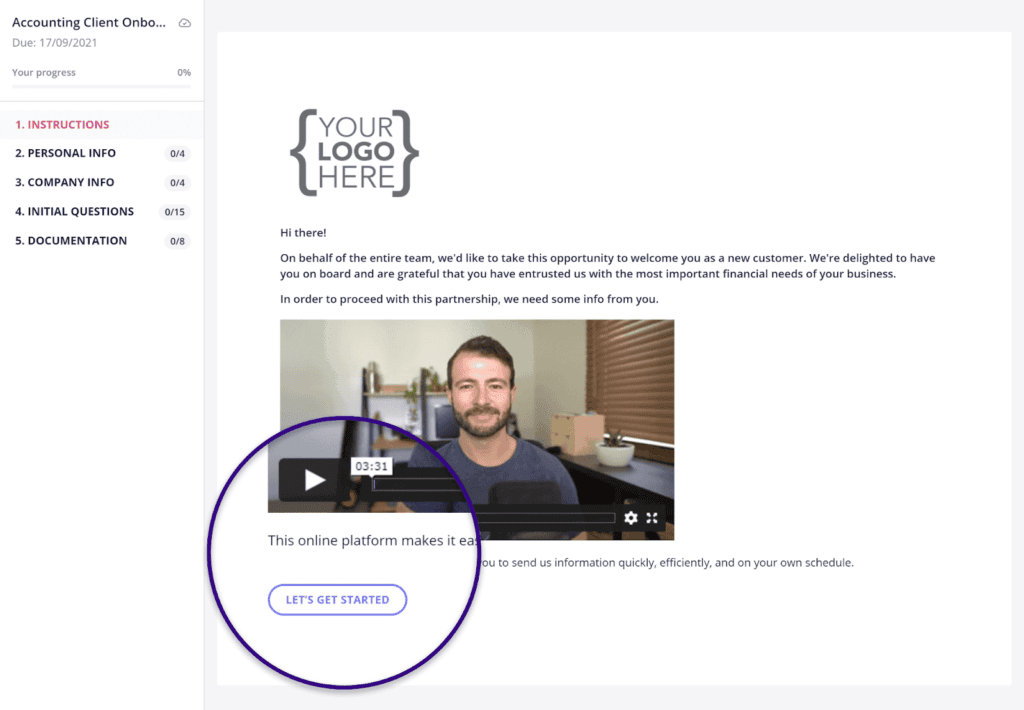
A welcome email might be enough for self-serve or low-touch onboarding. But if there are plenty of questions to be answered early in the customer journey, it’s worth putting together a drip email series to guide users on everything they need to know.
Here’s an example of a drip campaign onboarding email:

Build out a library of support materials that users can access on-demand whenever they have questions. This helps you reduce support queries.
Some things you might include here are
A couple of tips for building out your help center:
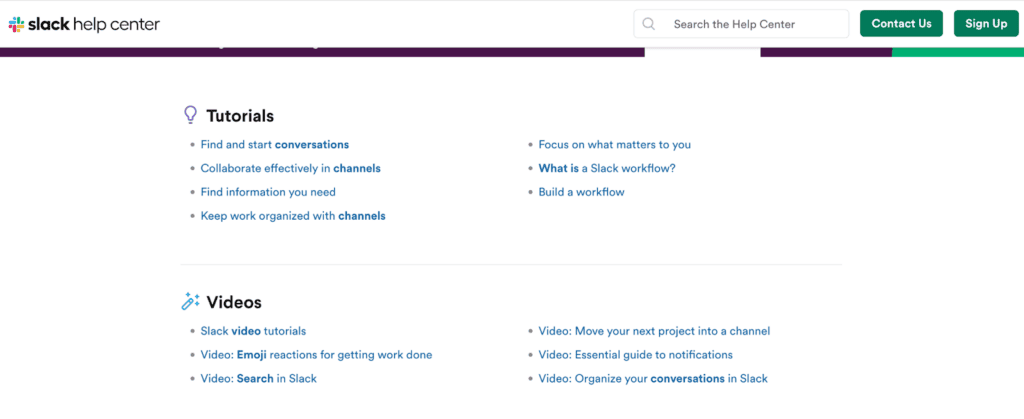
Here’s an example of what Slack’s help center looks like for inspiration:
Onboarding webinars are a great way to connect with your new customers and give them an overview of what to expect from your product. This is something you can invite your customers to in your welcome email or drip campaign.
A good idea for maximizing attendance at onboarding webinars is to incentivize attendance. Offer a prize like a one-month free subscription that attendees can win to get them hyped!

For low-touch or high-touch onboarding, your customers will need to take multiple steps in their onboarding process to get well acquainted with your product. Rather than keeping these steps to yourself, share your customer onboarding checklist with new users so they have an idea of what their onboarding journey looks like.
Here’s an example of a user onboarding checklist to guide users in the Notes app:

A good idea for an onboarding checklist is to include a progress bar and infuse some gamification features to make the experience more enjoyable. Perhaps new users can unlock badges and mini perks as they make their way through the onboarding process to encourage users to complete all the steps. The more enjoyable you can make it, the higher their engagement with the platform will be.
Don’t forget to include some onboarding guidance within your platform itself. This is very common for self-serve onboarding but should also be a feature if you’re using low-touch or high-touch onboarding as well.
Here’s an example of in-app messaging that guides users on how to use product features:

Since you’ll likely use a range of onboarding materials, there’ll be so much that you need to keep track of. Whether you’re a tech startup or a larger SaaS business, you’ll find value in automating some repetitive customer onboarding tasks with dedicated software.
Here are a few tools you might want to explore:
If you’re in a high-touch onboarding situation where you need to deliver a more personalized experience to your customers, you’ll need to get to know your customers really well to tailor your resources accordingly.
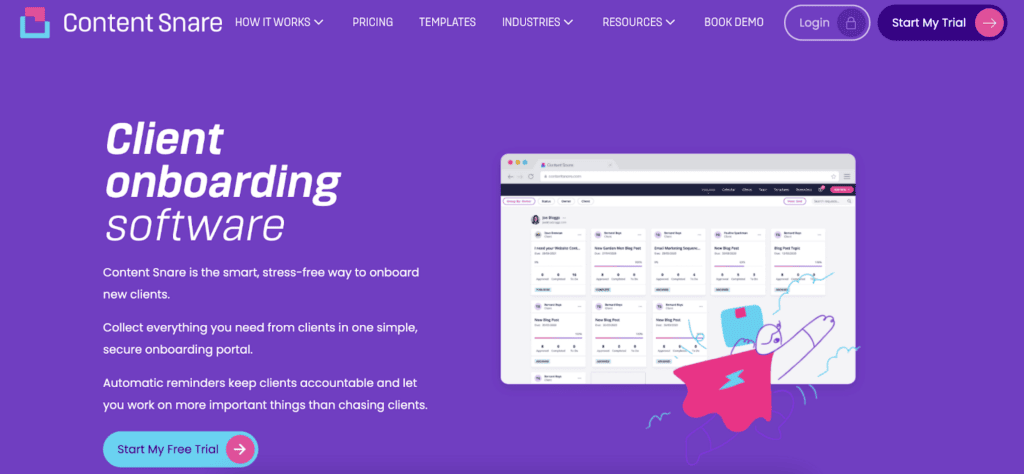
Content Snare is a handy client onboarding software that helps you collect such information in a fraction of the time. It comes pre-loaded with existing questionnaire templates like a client onboarding questionnaire you can use for customer discovery and it will even send out a welcome email to your customers too.
If you’re expecting to book plenty of product demos or walkthroughs, it can be helpful to use a tool like Calendly. It gets rid of all the back and forth you go through to set up a time with a customer over email. Instead, it lets a customer book a time in sync with your calendar availability. It also helps you automate reminders and follow-ups.

Even if you have a customer success team, customers are probably going to keep asking a lot of the same questions. Using customer support software like Intercom helps you deliver support in-app, where it’s more timely and effective.

You might think you have it all figured out but let’s be real — there’s always something that can be improved. Once you have things up and running, make sure you regularly check in with your customers to get first-hand insight into how you’re doing. There’s no point in guessing, or even worse, assuming!
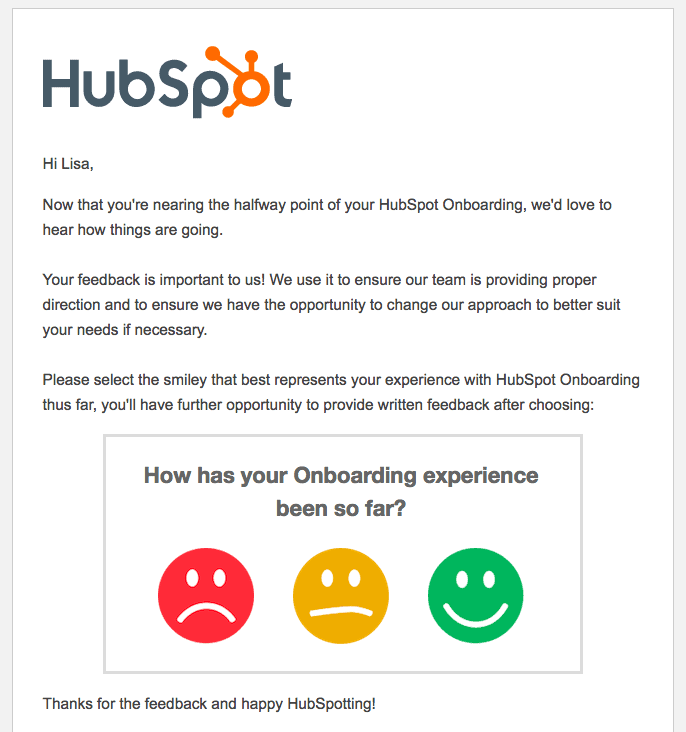
Send onboarding feedback surveys to gather customer feedback on their customer onboarding journey. You can also collect this in-app through in-app messaging or chatbot prompts.
Set aside some time to go through user survey responses and other forms of user feedback periodically so that you’re always identifying areas for improvement.
If you’re part of a SaaS business, you’ll find that you’re constantly releasing new features and capabilities, finding new cases, and appealing to new demographics as you strengthen your product.
You will need to do the work to analyze user behavior and adapt your onboarding elements accordingly. A few ways to do this:
There are a few key reasons why SaaS companies need to prioritize building a user-friendly onboarding experience for their customers:
If customers buy your SaaS and then don’t get good guidance on how to use it or how they can benefit from it, they’ll leave very quickly. In fact, according to a study, 74% of potential customers will switch to other solutions if the onboarding process is complicated (Userpilot). Good SaaS onboarding is then a good customer retention tactic.
When you make your new customers feel well taken care of, you can count on better customer satisfaction and customer success. Happy customers can only help you get more business through positive word of mouth and advocating for your product.
Some of the biggest influencers on customer engagement are quality (80%) and convenience (55%) (smscountry.com). Making your SaaS convenient to use is a great way to increase user engagement and help you bank on future renewals.
If unsatisfied or confused customers turn away from your business, you’ll need to spend twice the amount of time, effort, and money to convince them to come back a second time. Focusing on building a good SaaS onboarding process is the best way to get it right the first time around.
Successful SaaS onboarding can be one of those things that makes or breaks your business. To guarantee a positive experience, you must revisit the customer journey as often as you can to make sure your users feel supported and engaged and that nothing is slipping through the cracks. We recommend using several different tactics and collecting user feedback as you roll them out to make sure you’re always improving your onboarding program.
We hope these best practices have been helpful. Best of luck with your customer onboarding journey!

Sylva Sivz is a seasoned copywriter here at Content Snare, based out of Vancouver, Canada. She has spent years working in agency environments and moonlights as a touring house DJ!


