


Whether you’re an agency or an internal department, creative requests can come thick and fast. Without a dedicated system for capturing, managing, and acting upon requests, you’ll struggle to keep up. This is why a well-written creative request form is so important.
In this article, we’ll explain everything you need to know about creative request forms, covering:
But first, let’s answer an important question…
A creative request form is a simple way of capturing all the necessary details about incoming requests. It’s also a hassle-free way to onboard new clients. Think of it as a questionnaire or checklist for clients to tick off. In the process, they transfer all project-related information from themselves to you. This might include:

Creative professionals are in high demand. Multiple requests can stream in each day, covering everything from simple banner images to wide-reaching creative campaigns. How you manage creative requests will determine how effectively you can meet your stakeholders’ needs. In this section, we’ll look at some of the benefits a creative request form can bring.
Often, creative teams don’t have a dedicated system for managing the creative request process. As a result, requests flood in via a range of channels, including:
With requests scattered all over the place, staying on top of everything can be virtually impossible. You might find yourself asking:
In other words, you’ll be wasting countless hours figuring out where information is, who you need to chase, and when. And that’s before you’ve even started working on deliverables. If you start on a brief without all the information you need, you’ll waste even more time chasing clients or fixing issues later on.
A creative request form provides you with a dedicated system for capturing project-related details before you start working on the request. Instead of having information scattered across ill-fitting tools, everything you need is in one place. This saves you and your clients countless hours wasted in back-and-forth emails or unnecessary meetings.

In today’s busy world, our lives are enhanced by streamlined digital experiences and time-saving apps. Customers expect a seamless, hassle-free experience when interacting with other businesses. If you can’t offer them that, there’s a good chance they’ll look elsewhere.
Clear communication with stakeholders is crucial. A well-written creative request form can help make communication smoother by:
For creative agencies, this means happier clients who are more likely to stick around. For creative teams, this means better cross-departmental relationships and a more efficient organisation.

Creative requests can vary greatly in scope and scale. One might take half an hour to complete, another might take three months. In this section, we’ll run through the fields and questions you should include in your creative request form to capture the information you need.
Note: If you’re working in an internal creative department, you can skip any questions relating to client, company, brand, or product.
Let’s start by understanding who is making the request, including their:

If you’re working with an external client, who are they? The following fields and questions will give you a flavour of the company or organisation behind the request:
Brand identity plays a central role in any creative project. To ensure that the work you produce is ‘on-brand’, you’ll need a solid understanding of what makes your client’s brand unique. Here are some questions to help you:

Now it’s time to get a deep understanding of the request itself. These questions will help you narrow down the scope of the request, understand the purpose behind it, and gather the materials you need to do your job:
Now we know what a creative request form should include, it’s time we talked about how you build, share, and store your forms. Many creative teams use ill-fitting legacy tools, making the process of capturing information clunky at best. Here are some examples:

Tools that aren’t designed specifically for gathering information don’t have the UX and features you need. As a result, they make the process complicated and time-consuming. This is where Content Snare can help.
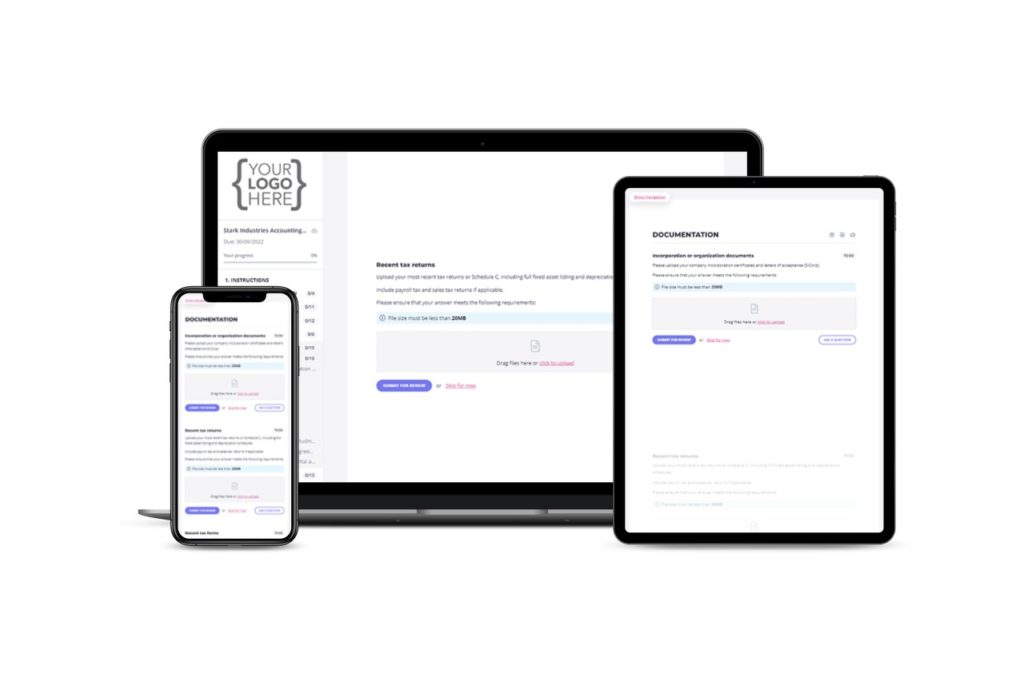
With Content Snare, you get a dedicated tool for requesting, transferring, and storing information. Instead of having information scattered all over the place, or lost in messy email threads, it’s all there in one place. Content Snare allows you to:
So no more complicated systems, clunky tools, or lost information. Content Snare saves you and your stakeholders valuable time, providing a slick, intuitive UX that clients will love.

Content Snare gives you the building blocks you need to create simple-yet-powerful request forms. To get the most out of the Content Snare and your forms, here are a few tips.

Dražen Vujović is a journalist and content writer. More importantly, he is a father of two and a long-distance runner.


