


A logo is the key element in building a strong brand identity. In fact, a report reveals that 75% of consumers can recognize a brand simply by its logo.
However, creating a logo that truly captures the essence of your client’s business can be a challenging task. This post will show you how to create an effective logo design questionnaire with sample questions and templates.
But before we get into that, let’s define some basic concepts.
| Short on time? Go straight to the questionnaire template. |

A logo is a symbol that represents a company, brand, organization, or product.
More often than not, it’s the first visual element that people associate with a business — just think of brands like Apple or Nike.
That’s why logos are essential brand elements for every business. A logo differentiates you from competitors and instantly conveys a message about the quality and nature of your brand.
A great logo sets a business apart and can create intrigue or curiosity. In order to effectively create a logo you first need to understand what makes a business unique and where they are at in terms of their brand development.
It pays to work on the brand first because the brand values will inform the development of a quality logo. Depending on what the requirements are, you may need a logo brief from the client as well as a more general creative brief or questionnaire.
| Pro tip: Tools like Content Snare—trusted by thousands of creative agencies and ISO 27001 certified—can securely collect brand guidelines, values, and other critical inputs during client onboarding. |
A logo design questionnaire is a series of questions your clients answer to give you an understanding about their logo preferences and may also give you an indication of how they may be to work with as a client.
The logo requirements and project scope will become clear with the answers to this questionnaire. You may be working with them on establishing a new logo or refreshing an old one or you may need to work with them on their overall brand.
A logo questionnaire is closely related to a branding questionnaire, only it is more about one aspect of the business branding and not the entire brand. It could be that a new brand strategy has been developed already and the logo design project is the next item on the list alongside other design collateral.
In each case, reports show that agencies using Content Snare for design questionnaires cut onboarding times by up to 67%, freeing designers to focus more on creative work. A typical initial logo assessment (particularly if it’s just the logo that needs to be done) asks about:
If clients are looking to rebrand, you can also ask about:

A logo questionnaire template helps you work with clients when developing their logo. It’s a tool to gather information for the logo design process. The questionnaire can include questions about:
Now that we know this, we’re going to look at how to construct a logo design questionnaire template to help your customers brief you on their logo requirements.

Now you know the why, what and how of creating a logo design questionnaire, let’s dive into the questions for your form. So, what questions should you ask when designing a logo?
Your logo intake form's length depends on your business strategy. If you’re trying to do lots of projects at a lower price, you might want to get all the info for their logo and branding upfront.
If you are doing higher-priced logo design projects where you include brand strategy discussions, the questionnaire might just be an initial filter to weed out low value clients and (or) to give you enough info for an in-person meeting.
Here are our favourite questions and why we ask them.
Screenshots are taken from Content Snare’s Logo Design Questionnaire.
This is a great question to ask for two main reasons:
This question gives you an idea of where the client is at right now so you can gauge how much work is required.
It’s also an upsell opportunity if they want help with their overall brand redevelopment or their other brand collateral. Here are some example answers:
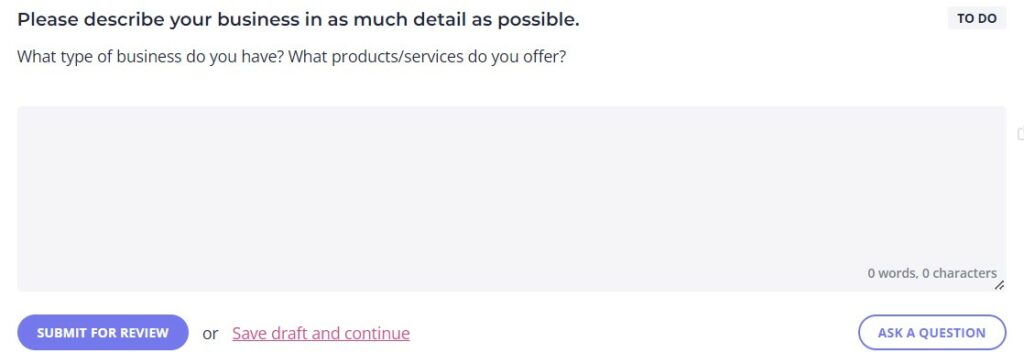
This is an obvious question but an essential one.
Don’t assume you know what the business does. Don’t assume the client can articulate it perfectly either.
Sometimes a little more clarity and guidance is needed before you can design a logo to represent the brand well.
This question is to gain an understanding of the audience. If they don’t know, this may also be an opportunity to upsell customer avatar development. Knowing the ideal customer profile is critical to logo design.
This enables you to pinpoint what results the client is after with logo creation.
This is a fun way to find out how the business would describe its strengths and assets. It gives you additional info about the preferred logo style, which can simplify your creative process.
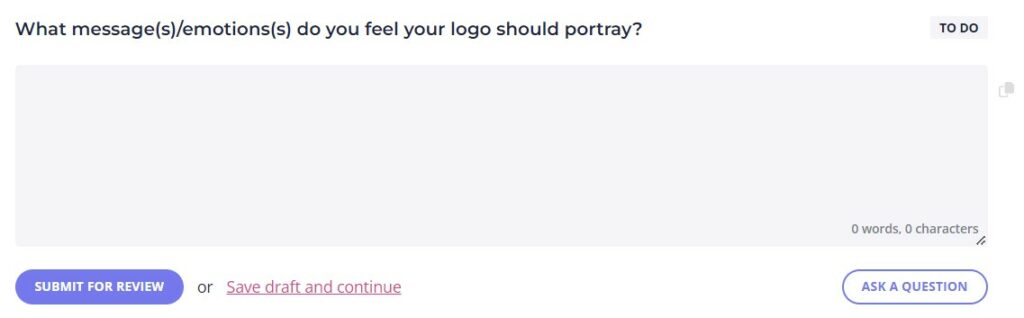
Building a dream logo also means capturing the true emotion of a brand. Here’s just a couple of nice examples:
Understanding the competition and how they brand themselves is vital to creating a unique logo that stands out from the crowd.
It’s important to find out what their preferences are.
So many times they say they like a logo, but it turns out they only like one aspect of the logo i.e. the colours and hate the rest of it.
If you based your logo design on that, you’re in trouble. It’s better to find out what they like and don’t like early on in the process.
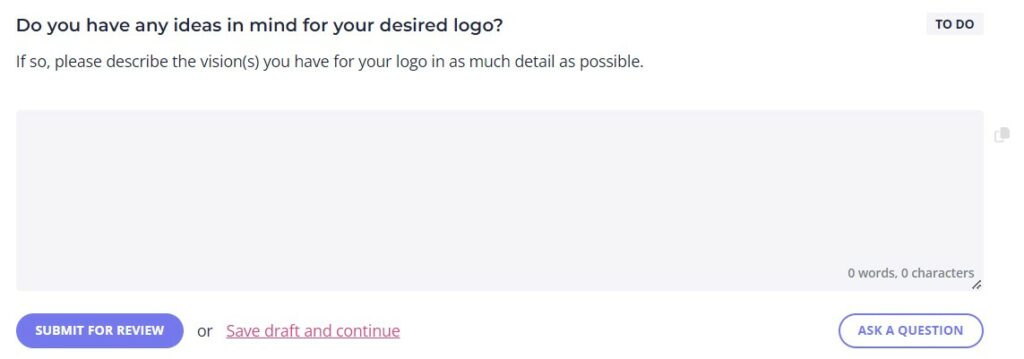
Some clients have quite fixed ideas on what they want before they come to you. It’s good to get clear on this at the outset. Sometimes the idea they have won’t align with their vision for the brand and you may need to have further conversations about it.
Most people have pretty strong colour preferences, and they can often give you directions for other logo elements as well. Knowing this will save you time and headaches while you’re developing ideas.
The tag line may be important to the logo, so it’s good to know if you need to incorporate it into your design ideas.
This is the ultimate filter.
We suggest a dropdown list where the smallest amount is “<$2000”.
Generally, you’d set the bottom level as the budget you don’t want to work with and may simply refer them to someone else if they select this option.
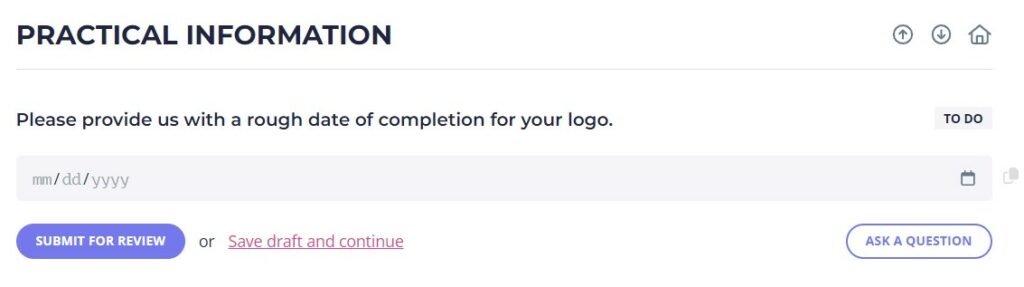
This question will weed out potential clients that want everything yesterday.
Including this question helps you prioritize your work schedule or decide whether or not you have the capacity to take on the job.
We briefly mentioned some advantages of making a questionnaire form, but there are a few very specific benefits you should be aware of.
A good logo questionnaire helps ensure that your design isn’t a massive fail. Simple as that.
A logo brief is like a roadmap for you as a designer. It highlights what’s important to the client, so you can get all the project details right.
Related: How this agency saved time and frustration by collecting their content in one place
It is way easier to sell to a client that tells you what they are out to achieve and what their preferences are. If you know your client’s vision, you are much more likely to seal the deal.
You’ll get a sense of how organized and clear your prospective clients are with this questionnaire. Do they need a new brand? Are they disorganized and unclear in their communication?
You can tease all of this out in your logo questionnaire.
They may be rushing things and that may not bode well for you, or they may take ages to get back to you, giving you an indication that this may be how they approach the project when you get started.
A logo questionnaire will also establish the client’s budget expectations. If it’s clear they need their brand redeveloped before they work with you on a logo, this is the time to raise this with the client.
If they have unrealistic expectations in terms of pricing, you may want to refer them to someone else who may be a better fit.
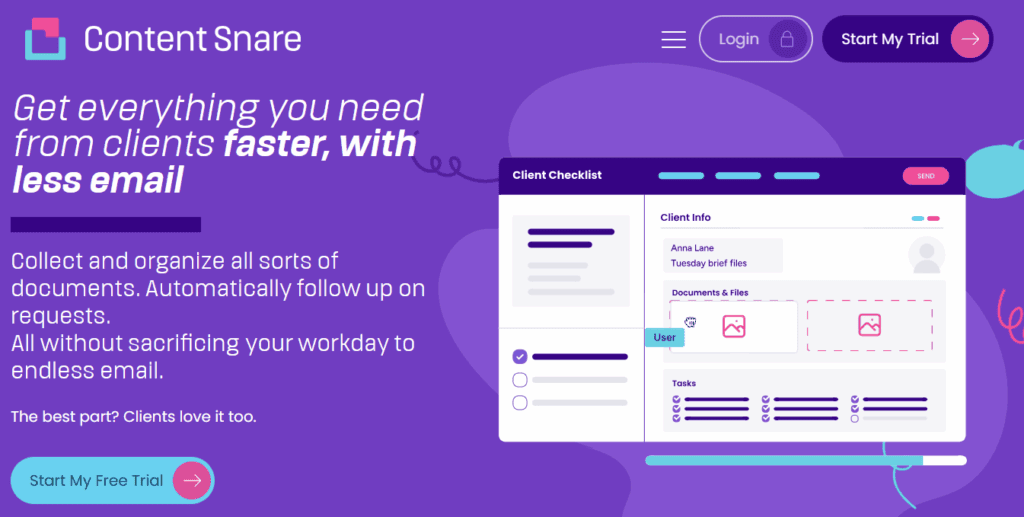
A questionnaire is just a kind of form, so you’ll need an online form builder to make it work.
There are so many tools you can use to build your logo questionnaire, but we recommend our own platform: Content Snare.
Our tool helps you avoid unnecessary printing and automate your processes. It also integrates seamlessly with popular tools like Zapier and Make, so you can trigger workflows automatically.
Content Snare allows your clients to fill answers out in their own time. If they don’t do it in one sitting, they can click their link anytime to come back and resume filling it out.
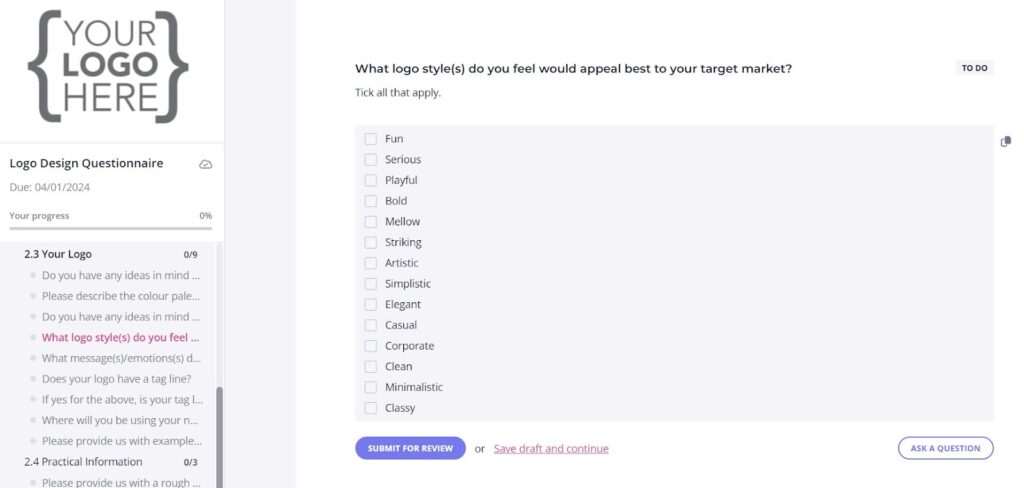
To ensure they don’t forget, it automatically reminds them until they’ve completed the form. This results in more people completing your logo design questionnaire. Here’s how Ranksey Digital Marketing explains it:
“The email reminders keep everything on schedule and it’s just super nice to have all of the information in one spot. Content Snare saves me at least 4 to 5 hours per client, which equates to 40 or 50 hours per month.”
But Content Snare helps with much more. It streamlines content collection with in-form conversations, automated reminders, approvals/rejections, and many other advanced features. This helps you save time, complete more projects, and get paid faster.
Businesses that use Content Snare see a 71% reduction in time spent gathering information and a 77% reduction in data collection costs — making it one of the most efficient tools for creative agencies and branding professionals.
Sounds good enough? Sign up for a free two-week trial to send your logo questionnaire within minutes.

Caroline Szellemes McCullough is a multi-award-winning content marketing strategist, copywriter, Amazon bestselling author of Your Brilliant Un-Career, founder of Writally and co-founder of wityayl.com (what's important to you and your life).


