


No matter how agile, most organizations struggle with change because it takes a lot of prep work to swiftly switch to a new system or company culture. That’s why you should gather enough information upfront to understand how change will impact people, processes, and outcomes.
This is exactly the purpose of a change management questionnaire. In this article, we’ll show you how to quickly build one by focusing on the most important questions.
Let’s take a closer look!
Every organization is unique, so it’s always a good idea to create a unique questionnaire template. However, you don’t need to start from scratch, as the following questions cover the basics of any change initiative.
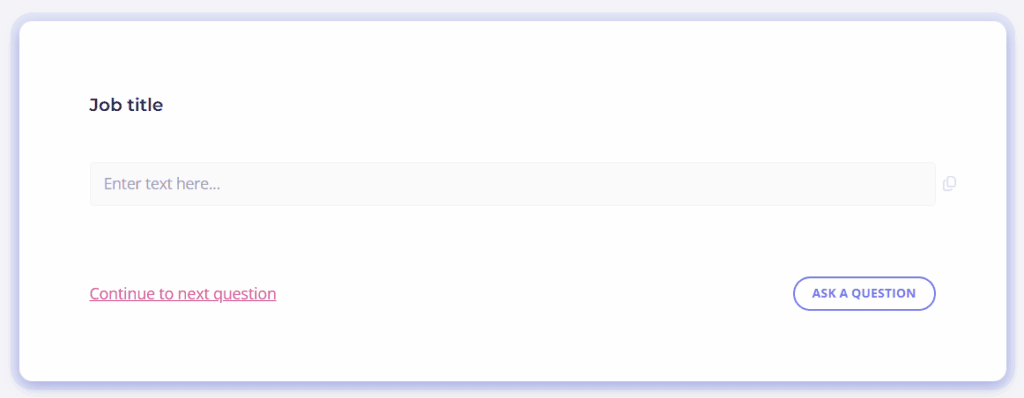
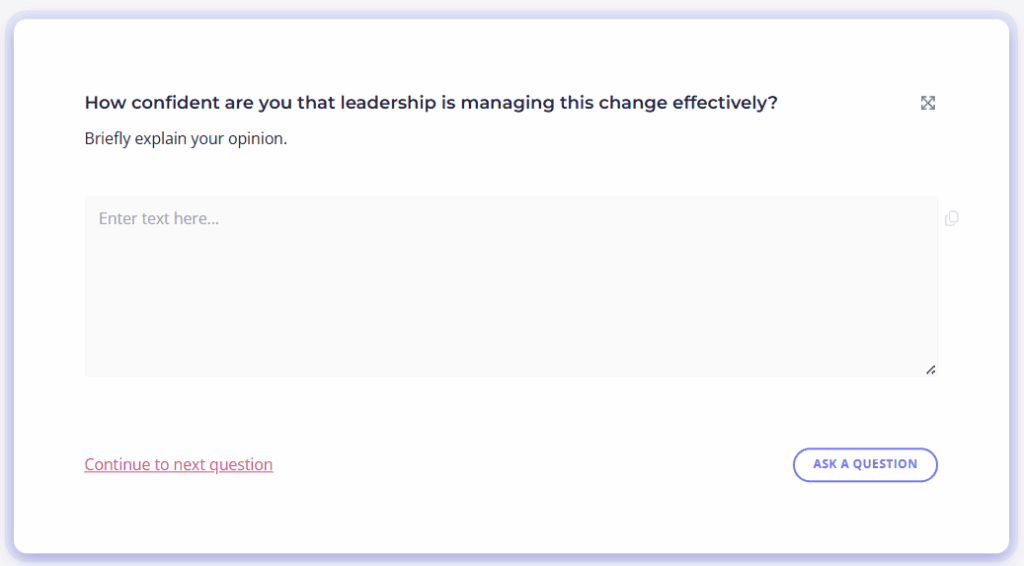
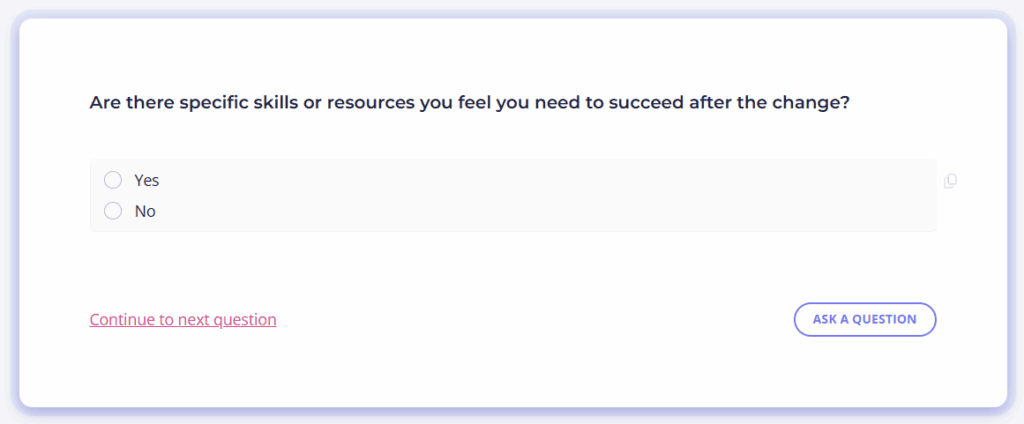
| Pro tip: If you use a platform like Content Snare, you can easily create smart questionnaires, using specific field types and conditional logic. Below, we’ll add a few screenshots for you to see what Content Snare questionnaires look like. |
This section gathers basic worker-related details, so you can better analyze trends across departments, locations, or roles.
1. Name
2. Job title
3. Department
4. Office location
5. How long have you been with the company?
Note: List the number of years.
These questions capture employees' immediate emotional response to the upcoming change. That way, you can gauge initial attitudes and identify whether excitement, anxiety, or resistance is more common.
6. How aware are you of the upcoming change?

7. How do you currently feel about the change?
8. What is your biggest hope or expectation from this change?
Clear communication is essential during change, but it doesn’t come by default. You should ask these questions to learn how well employees feel informed about the entire process.
9. How clear has the communication about the change been so far?
10. What communication channel do you prefer for updates about the change?
Note: Pick one from the list — email, phone, internal chat, in-person meeting.

11. Do you know who to contact if you have questions about the change?
More often than not, trust in leadership is a decisive factor in whether employees support or resist change. This section gathers feedback on employee confidence and ways leadership can strengthen relationships.
12. How confident are you that leadership is managing this change effectively?
13. What is one thing leadership could do to build more trust during this change?
Understanding how employees perceive the personal impact of change allows your organization to better prepare the entire team and possibly even update job roles.
14. How do you expect this change will affect your daily work?
15. Are there specific skills or resources you feel you need to succeed after the change?
16. How would you prefer to be involved in the change process?
The final section allows employees to express any remaining thoughts or ideas that weren’t captured elsewhere in the questionnaire.
17. Overall, how optimistic are you about the change’s success?
18. Please share any additional suggestions or concerns you have about the upcoming change.
Trying to manage this process through emails or basic forms quickly turns into a mess, which is why Content Snare makes such a difference. Our platform is designed to make change management information collection faster and more reliable.
Here’s how Content Snare does it:
Hundreds of businesses and consultancies already rely on Content Snare for smooth data gathering, and it’s top-rated across G2, Capterra, and the Xero App Store.
Ready to join them?
Start your free 14-day trial and build your first change management questionnaire with Content Snare.
The 5 P’s of change management are Project, Purpose, Partnerships, Processes, and Performance. These elements help guide how an organization plans, implements, and measures a change initiative.
A change management questionnaire makes it possible to detect potential risks and operational impacts early in the process. If you collect information upfront, you can design a smarter communication plan and improve the chances of a successful transformation.
The biggest barriers often include poor communication, lack of leadership support, stakeholder resistance, inadequate planning, and failure to monitor progress. That’s why a proactive identification of these obstacles can drastically improve the odds of success.

Dražen Vujović is a journalist and content writer. More importantly, he is a father of two and a long-distance runner.


