


WordPress is a huge ecosystem with millions of users, websites, themes, and plugins. However, the modern content management system (CMS) we know today has a long history that goes back all the way to the early 21st century.
The platform grew a lot in the meantime, as you can see in our post about WordPress statistics. But the evolution of WordPress is not just a story of figures — it is also a story of interesting facts that made this CMS so influential.
In this post, we will show you some of the most fascinating stories and facts about WordPress.
Matt Mullenweg and Mike Little are the co-founders of WordPress, but it was Mullenweg’s friend Christine Selleck Tremoulet who suggested the name WordPress.
WordPress was launched on May 27, 2003, which makes it older than almost all social networks currently active. The biggest social networking platform older than WordPress is LinkedIn, but the difference is surprisingly small — only 22 days.
…at least not if you want to build a decent website. You can choose a free plan on WordPress.com, but it comes with some serious limitations in terms of storage and customization options.
This should already be common knowledge given the popularity of WordPress sites, but many people still don’t know that WordPress.com and WordPress.org are different platforms.
A well-known WordPress logo was created by Jason Santa Maria in 2005. After that, the core design lead Matt Miklic helped refine the logotype.
Okay, it’s not as popular as cats or music, but the figure is impressive for a highly technical concept.

According to the report, the global WordPress-powered economy is estimated at more than $630 billion. To put things into perspective, this means that the WordPress ecosystem is as huge as some of the world’s biggest economies like Poland or Sweden.
Hundreds of national, regional, and local authorities use it to build WordPress sites and publish content online. For instance, California and Texas are some of the US states that have WordPress-powered websites.
The WordPress community is agile. It runs side projects like bbPress and GlotPress, all of which are open-source platforms built on top of the WordPress core and principles. There are also thousands of projects dedicated to WordPress themes and plugins.
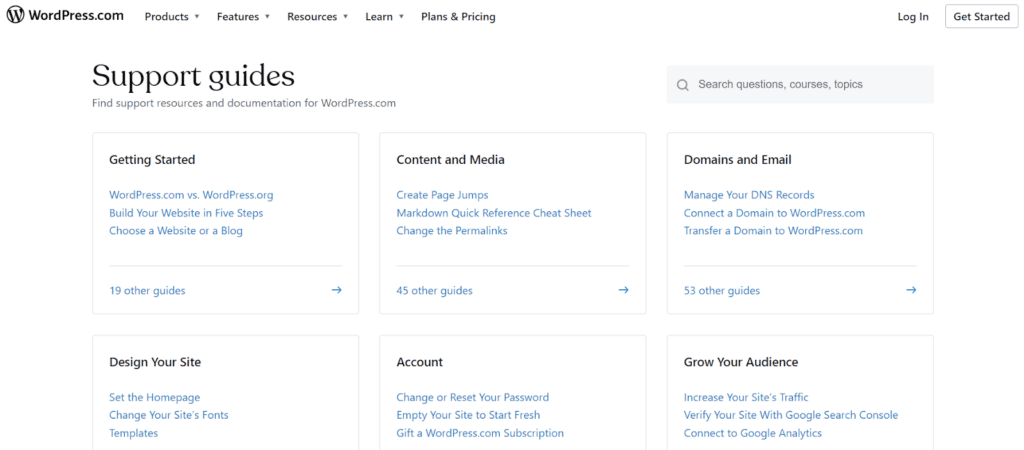
If you happen to have a question about WordPress software, feel free to ask for help. The WordPress community is highly supportive, discussing all sorts of CMS-related topics in dedicated forums.
In addition, you’ll find hundreds of how-to guides on the platform’s support page.
As of December 2015, WordPress.com receives at least 10 thousand customer support requests per month. The figure went wild in July 2017 when more than 64 thousand WordPress users asked for support.
Ever since WordPress version 1.0, each new WordPress release carries the name of a renowned jazz musician. The first version of the WordPress CMS was named after one and only Miles Davis, but you probably know at least some of these names as well:
Yes, you read it right — anyone can edit the core code of WordPress because it’s an open-source system. Many WordPress core developers do it to adjust the code in a way that suits their projects.
The WordPress Foundation is a charitable organization founded by Matt Mullenweg. The goal of this organization is “to democratize publishing through Open Source, GPL software.” Simply put, the idea is to save and improve the source code so that it remains fully functional and accessible for future WordPress users.
PHP is the core language of WordPress, but the system also relies on HTML, CSS, and JavaScript.
It’s possible to build just about any sort of website using WordPress. Your options are practically endless, but these 23 website types can serve as a good starting point. Once made, WordPress sites can be further customized thanks to thousands of WordPress plugins and themes.
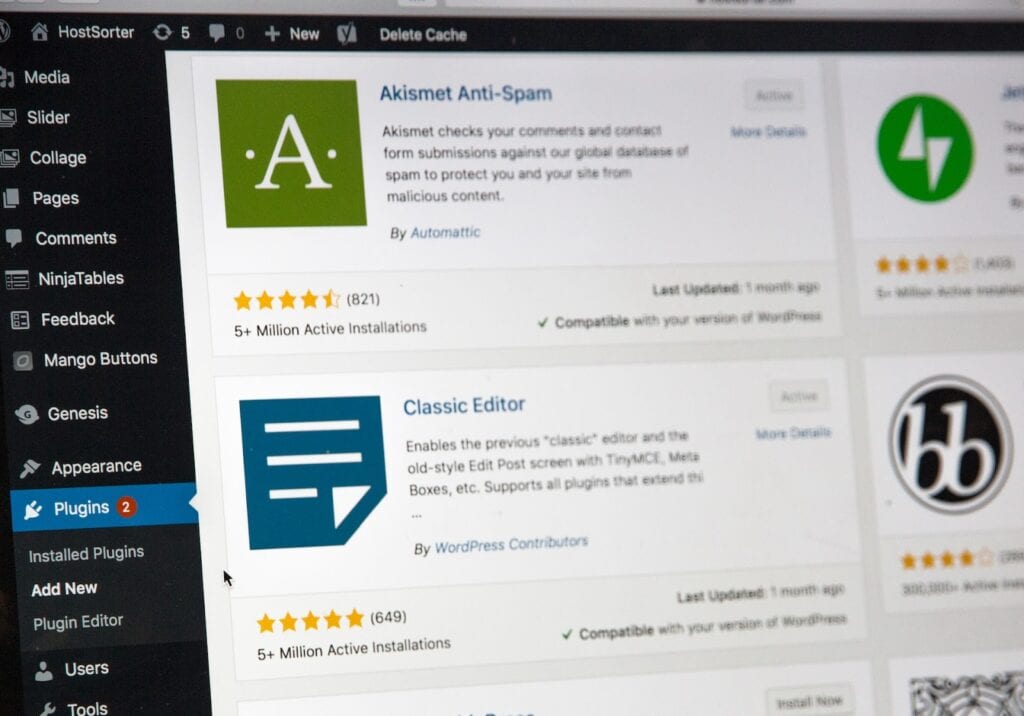
The number of WordPress plugin downloads goes well over 1.5 billion. At the same time, the most popular tools in the WordPress plugin directory have more than five million downloads.
Plugins aren’t the only tools that support WordPress websites. It’s also important to pick a good WordPress theme that improves the front end of your site. At the moment, there are 11.6 thousand free options available in the WordPress theme directory.
WordPress has an unofficial mascot called Wapuu. Rumor has it that some members of the Japan-based WP community asked Matt Mullenweg why WordPress didn’t have a mascot. In response, Mullenweg challenged them to make a GPL-licensed design, and they created Wapuu.
The WordPress Wiggle is known as the unofficial dance of the WP community. Wanna know how it looks? Check this out:
As the most popular CMS in the world, WordPress doesn’t just power websites — it also creates memorable stories that add to the platform’s already impressive reputation. There’s a whole community of users who are extremely passionate about all things WordPress. This community is the driving force behind WordPress and the main reason why this system remains at the forefront of web development.

Dražen Vujović is a journalist and content writer. More importantly, he is a father of two and a long-distance runner.


