


You may see WordPress as a state-of-the-art content management system (CMS)—and rightfully so. But here’s an interesting fact: It’s been around for over 20 years already.
Our old friend WordPress is the world's most commonly used CMS, powering millions of websites worldwide. Its user-friendly interface and customizable features have made it a go-to choice for bloggers, businesses, and developers alike.
But just how popular is it, really? And how many WordPress websites are there?
We’ve compiled the latest WordPress statistics for you to get a better understanding of the platform's reach and impact. It has come a long way since launching in 2003, so let’s see where it stands more than two decades later.
WordPress has been the world’s most widespread CMS for ten years, but its dominance has never been as obvious as today. General stats reveal how many sites use WordPress and other important facts about this platform.
However, most usage reports show that only around 20% of all 1.7 billion websites are really active. That goes for WordPress-powered sites and all others.
WordPress is the absolute market leader. The next big three platforms (Shopify, Squarespace, and Joomla) together power 11% of all websites.
The same goes for the top 10 thousand and top 100 thousand websites—WordPress powers nearly a third of those as well.
In addition to Fortune 100 companies, WordPress hosts elite websites like the New York Post, Vogue, Sony Music, Time Magazine, and many more.
For context, all other CMS platforms combined help create up to 80 sites daily.

WordPress is the absolute leader in the number of websites hosted. However, it also powers the majority of high-traffic sites (with Shopify being a close second).
Elementor takes second place with 18.5%, while WPBakery is the third option with 13.4%.
That translates to more than 2.3 million new posts per day or 16.5 million per week.
More than 64% of all WordPress websites use the sixth version of the platform. The previous version still supports some 29% of sites.
That includes the New York Times, eBay, CNN, and Mashable.
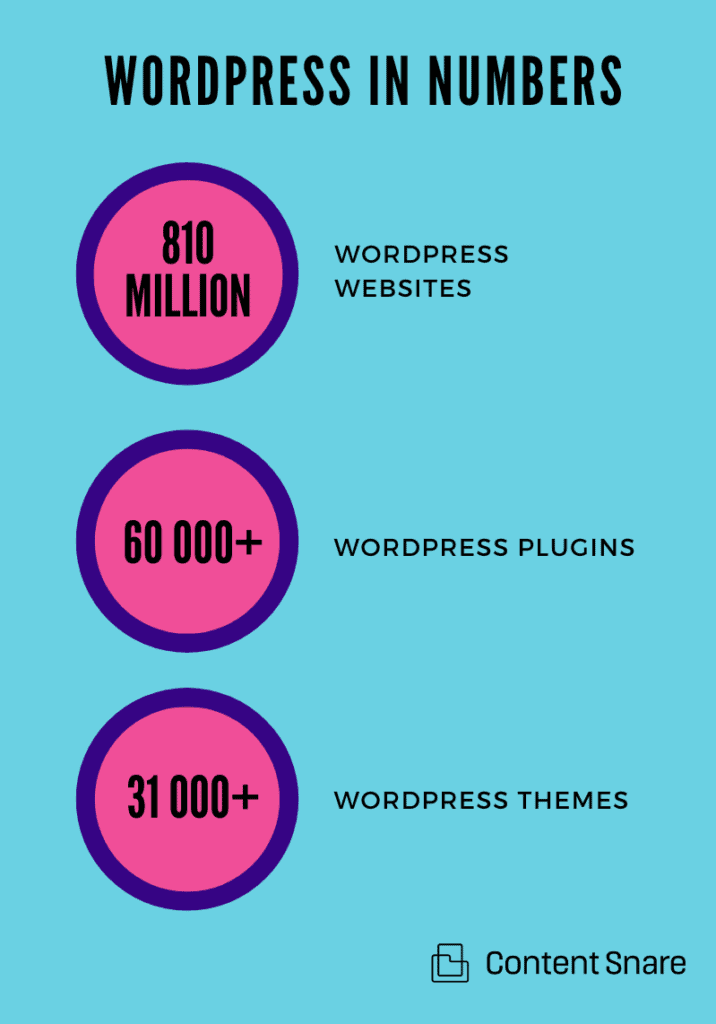
WordPress sites wouldn’t be as functional without plugins and themes. The platform offers a massive library of tools that helps users customize and enhance the functionality of their websites. But how many WordPress plugins are there? And how about WordPress themes? Here are the key stats about these tools:
WordPress plugins help websites with everything from SEO and analytics to popups and security. You can narrow down the options with keyword research.
Many other plugins also have millions of active users. These include Aksimet, WP Forms, Jetpack, and so on.
In addition, only a third of WordPress plugins have more than 100 installations.
At the same time, 57% of plugins have never been rated by WordPress users.
But that’s just the average price. Bear in mind that premium WordPress plugins can cost anywhere between $10 and $200+.
Different themes enable different levels of customization. Some offer generic templates only, while the better ones are multipurpose and enable customized designs.
You can find premium WordPress themes on websites like Theme Forest, Elegant Themes, StudioPress, and ThemeGrill.
Most companies value themes similarly, which is why the average price of a WordPress theme is $57.5.
Notable mentions include OceanWP, Guten Theme, Hongo, Elegant, and Avada.
There was another one called “Classic” before 2005, but it wasn’t a genuine theme from today’s perspective.
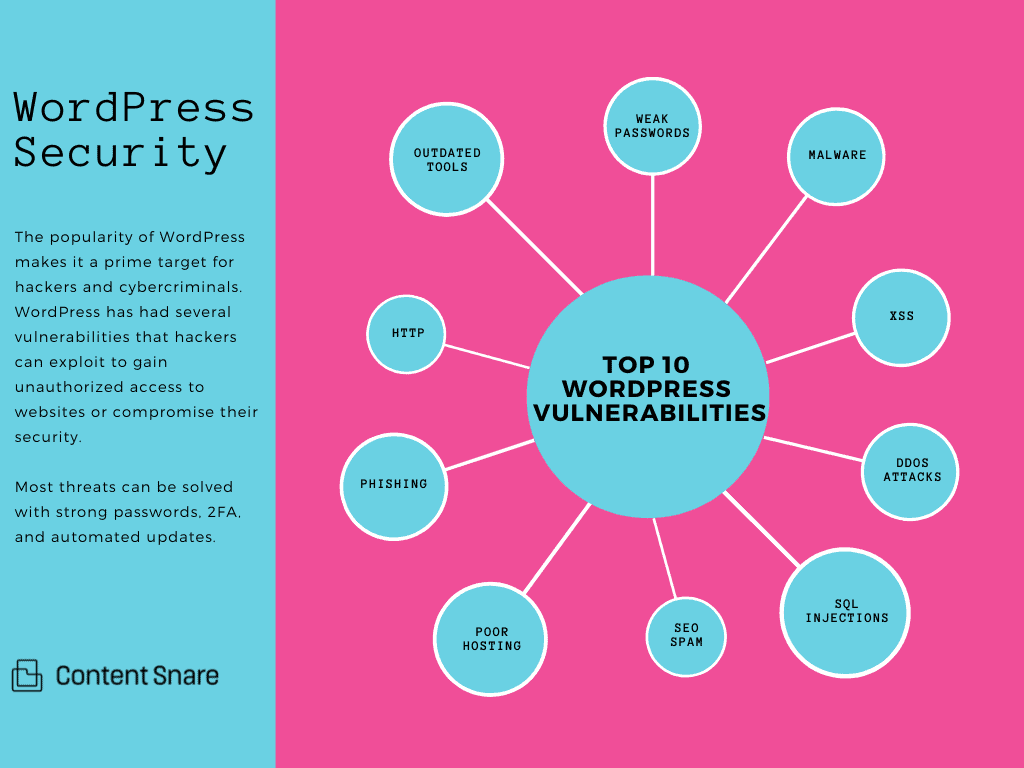
WordPress websites undergo serious security threats. The latest data shows the frequency of breaches, including the most common types of attacks. These stats are critical for WordPress users and developers who want to safeguard websites from potential threats.
In other words, 4.7 million WordPress websites are hacked on a yearly basis.
That means there are almost 130 million malicious attacks targeting WordPress sites every day.
The number of spam messages is 6,208 times higher than the number of real comments.
That’s mostly because admins don’t switch to the latest version of WordPress, plugins, or themes. The risk of getting hacked is drastically lower if you automatically update all tools.
97% of vulnerabilities are detected in free themes and plugins.
Magento, Joomla, and all other CMS platforms make up 10% combined.
You should never use passwords like “qwerty” or “123456”. It’s best to create a strong password containing both uppercase and lowercase letters, numbers, and special characters.
Two-thirds of websites still rely on older WordPress versions, and they often fail to install updates.
Still, 96% of website administrators claim that WordPress security is very important.
Analysts expect global cybercrime costs to grow by 15% annually until 2025. Investing in cybersecurity is more important than ever.
The WordPress ecosystem is huge and colorful. It involves millions of individuals and organizations from all over the world. Here are some random WordPress facts and stats to enjoy.
The salary can go up to $114 thousand per year depending on the developers’ skills and experience. However, junior WordPress developers may receive only $44 thousand a year.
In other words, 240 developers would take a whole year to write the entire WordPress code. At the moment, the code contains some 884 thousand lines.
The CEO of Automattic is Matt Mullenweg, one of the initial developers of WordPress. Automattic generates $780 million in revenue per year.
Automattic is located in San Francisco, but most of its employees work from home.
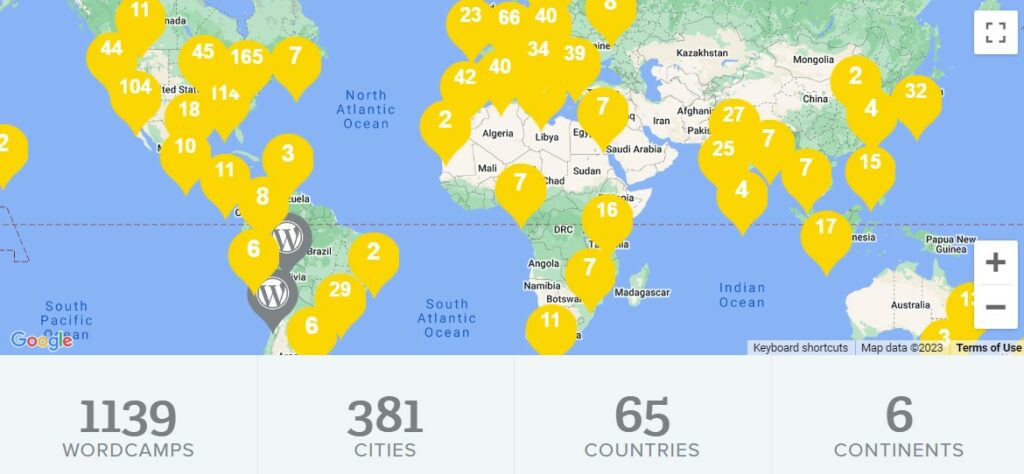
WordCamps are informal and locally-organized conferences where participants discuss everything related to WordPress.
You can expect a major update every three to six months. However, lots of minor updates take place weekly or even daily.
Indonesian is third on the list with 2.4% of the content.
WordPress hosts a special blog dedicated to the translators of this open-source project. You are free to join the platform if you want to help translate WordPress to your language.
And that’s just the core keyword. If we add long-tail keywords to the equation, WordPress gets 37 million monthly searches.
The last entry on our list proves the general trend in device usage. Three out of five WordPress interactions take place through smartphones, while computers and tablets make up the rest.
WordPress continues to dominate the CMS market, and its usage stats show no signs of slowing down. From blogging to eCommerce, WordPress attracts all sorts of user profiles. But as the platform continues to grow and evolve, it will be interesting to see how these stats change in the years to come.

Dražen Vujović is a journalist and content writer. More importantly, he is a father of two and a long-distance runner.


