


Life on a marketing team can be full-on. With multiple requests pouring in every day, each with its own specific requirements, it can be difficult staying on top of everything. This is where a marketing request form can help.
In this article, we’ll explain:

A marketing request form is a kind of marketing client questionnaire. It aims to capture all the information you need to understand and deliver on a marketing request. That could be anything from a single blog post to an entire marketing campaign.
Marketing request forms align both parties on all aspects of a marketing project, including its:
Whether you’re in a marketing department or a digital agency, a well-written request form has the power to transform the way you operate. Here’s how.
Marketing request forms transfer critical project-related information from your client to you. They ensure that both parties are on the same page, serving as a reference point going forward. Essentially, they hold you both accountable. You can point to the form and say “This is what you asked for, and this is what I’ve delivered.”
Without a marketing request form, what your client expects and what you deliver can become misaligned. This can cause all sorts of problems, including:
Gathering all the information you need before you start working on a request can save you countless hours, not to mention stress. If your form is well written, you shouldn’t need anything else from your client to get the job done.
Without a marketing project request form, you’ll only have part of the picture. To fill in the blanks, you’ll need to chase your client time and again. Worse still, you might end up second-guessing what they want. If your client isn’t satisfied with the outcome, you’ll spend endless hours trying to fix it.
Marketing requests can come thick and fast. You may have to jump between multiple requests on any given day. Staying on top of who needs what and when can be a huge challenge. But with marketing project request forms, it’s easy. You have all the information you need for any given project.
In marketing, being organised is a superpower. It saves you time, makes you more productive, and allows you to get more done with less. Marketing request forms are essential for an organised, high-functioning marketing team.
Often, clients or colleagues know exactly what they want you to produce. Other times, they only have half-baked ideas. Marketing request forms encourage the requester to think deeply about what they need, and why.
This is a valuable process. It helps remove obstacles and iron out issues at the start of a project, rather than halfway through. It ensures that the request is well-thought-through and thorough. Ultimately, it improves the chances of the project being successful.
Marketing request forms don’t just benefit you, the marketer. They also benefit other stakeholders — whether that’s external clients or internal colleagues.
If you’re an agency, you’ll know that retaining existing clients can be even more important than finding new ones. Marketing request forms provide the clear communication and hassle-free experience that clients expect. This increases the likelihood of them sticking around.

Now it’s time to get into the nitty-gritty of what a marketing request form template should include. It goes without saying, but the questions you ask will determine the depth of information you get. Ideally, you should aim to collect information that covers:
The key here is to strike a balance between being comprehensive and user-friendly. If your form is too lengthy or complex, you’ll put the requestor off. But if it’s not detailed enough, you’ll find you’re missing key information later down the line. Ready? Let’s dive in.
Let’s start with capturing basic information about the person or company making the request. Naturally, some of these questions will apply to external requests but not internal ones.

In this section, you’ll find out more about what you’re marketing. Again, if this is an internal job, you’ll already have a deep understanding of the product or service in question. But for external clients, you’ll need to get up to speed as quickly as possible:
Next, we’ll gain a deeper understanding of your client’s brand. This will help us with our messaging, style, and tone of voice.

Now it’s time to find out about the marketing request itself. What needs doing, by when, and for what purpose? Given that marketing is a broad discipline, it’s important to narrow down what your client wants as quickly as possible.
Note: Agencies that provide a wide range of marketing services might find it easier to use different request forms for different marketing disciplines. So you’d have a dedicated form for content requests, for example. This allows you to tailor each form with the most relevant questions.

Now you know what a marketing request form is, why you need one, and what questions you should be asking. But there’s still one key consideration missing: how to collect the information you need.
Many businesses rely on legacy tools or ill-fitting systems to gather information. But this can soon become problematic. Email can result in endless back and forths, not to mention lost attachments. Spreadsheets offer a clunky, often overwhelming UX. Shared docs are difficult to manage. So what’s the best option?
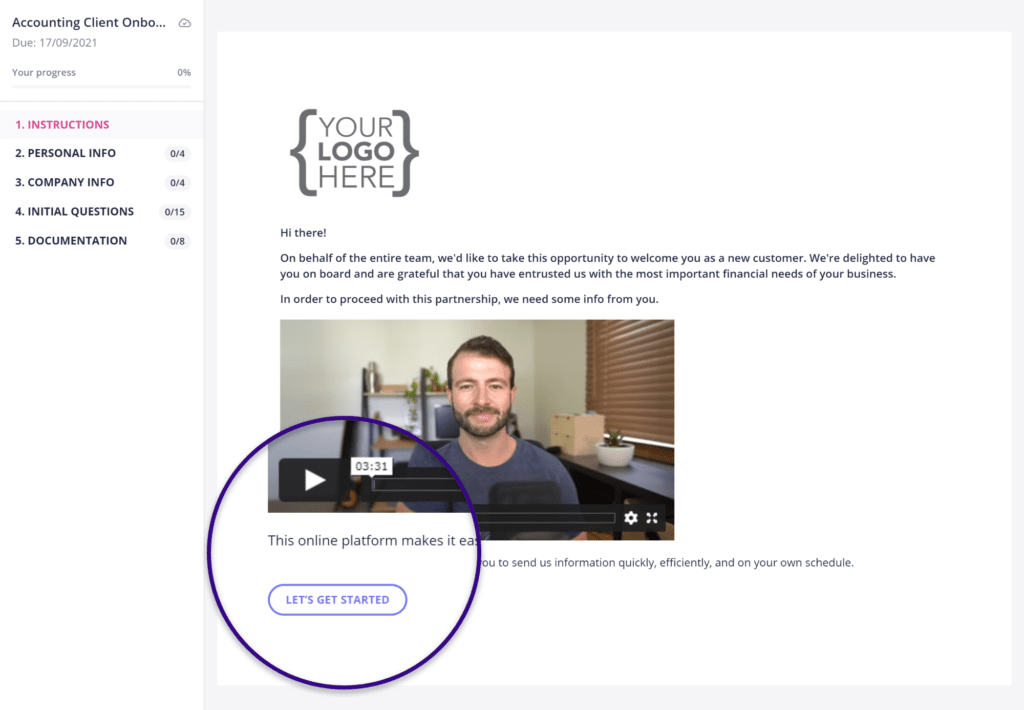
Content Snare simplifies the process of gathering information. allowing you to create and share custom questionnaires, surveys, and forms. Instead of having data, documents, and resources scattered across multiple systems, you have everything you need in one place.
With Content Snare, you can:
Together, these features save you and your clients time. They enhance productivity, improve communication, and ensure better outcomes. Ready to give it a try?

Nicholas Edwards is a content writer from the UK.


