



Graphic design is one of the most colorful (pun intended) professions out there. New ideas pop up every day, whilst audience preferences seem to evolve at lightning speed.
This is why digital agencies need to understand the numbers behind graphic design — what works, what doesn’t, and why. In this post, we’ll explore the most important graphic design statistics to help you craft visuals that not only look great but also drive results.
Let’s take a closer look!
The graphic design industry is more than just a creative field — it’s a massive global business with a big economic impact. Here are some stats that prove this point.
The market is projected to grow 36% by 2030 and reach a value of $78.2 billion.
The same number of respondents (32%) have an annual budget between $5,000 and $10,000.
At the same time, 94% of users form the first impression of a website based on its design.
The reason is obvious — strong design helps firms stand out, build trust, and communicate their value more effectively.
This figure highlights the gap between recognizing the value of good design and having the resources or expertise to execute it. In a nutshell, every company needs skilled designers and strategic planning to maintain high-quality visuals.
Graphic designers should know the following stats as it could help them create more appealing and impactful visuals.
The power of visual appeal in consumer decision-making is immense. For designers, this figure reinforces the importance of choosing the right color palette to create an emotional connection and drive sales.
In addition, they can improve learning and reading by 60% and 40%, respectively.
Other colors aren’t even close popularity-wise. After blue, most people seem to like green (14%), purple (14%), red (8%), and black (7%).
Brown (23%), yellow (13%), purple (13%), and grey (12%) also seem to be unlikable.
On the other hand, more than 50 million websites currently use Google Fonts.
Quality design is a critical success driver. In this section, we’ll explore how strategic design directly impacts growth and long-term business success.
That’s mainly because Adobe owns a whole range of popular design tools such as Photoshop, Illustrator, and InDesign.
That’s because eye-catching visuals are able to grab attention while helping convey messages with ease.
A logo is often the first impression of a business, which makes it a crucial investment for establishing credibility and identity.
This means brands are practically obliged to design compelling imagery to captivate audiences and boost interaction.
In other words, you have to create an intuitive website with a clear visual hierarchy. That way, key elements will stand out and quickly guide users through the site.
Now let’s see the job outlook and demographics as it can help you figure out where the industry is headed.
On an hourly basis, this translates into slightly more than $28 per hour.
Many industry professionals prefer flexibility and creative independence. Freelance work allows them to choose projects they really like and maintain control over their schedules.
This can mean two things. For one, the industry itself is truly dynamic. On the other hand, it also reflects the challenges of finding the right fit in a very competitive field.
However, having a degree doesn’t guarantee success. Many professionals thrive through self-learning, certifications, and building a strong portfolio that proves their skills.
In other words, this profession often attracts individuals with a mix of experience and creativity.
Graphic design is full of interesting history, quirky facts, and surprising insights. This section will introduce you to some of the coolest tidbits that make graphic design so fascinating.
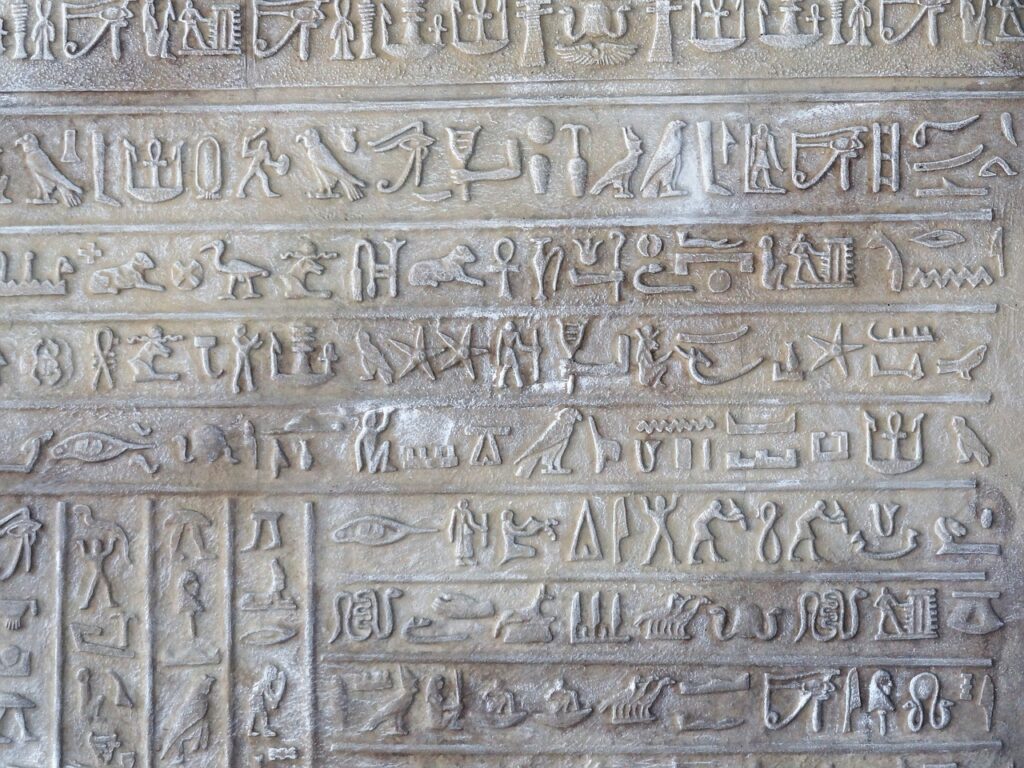
This mainly has to do with their development of hieroglyphics around 3200 BC. These symbols served not only as a written language but also as a means to convey ownership and status.
Designed by William Mulready, it featured a profile of Queen Victoria. This is a notable example of early graphic design that contributed to the development of modern postal systems.
He used this phrase to describe the emerging field that combined visual elements like typography, layout, and illustration to communicate ideas.
Computer programmer Ivan Sutherland made the tool that many consider the predecessor of modern computer-aided design platforms.
The so-called Swoosh is a visual representation of the wing of the Greek goddess Nike. Carolyn eventually received a fair share of Nike stock as a token of appreciation for her contribution.
Statistics can be a powerful tool for shaping your design strategy, but you shouldn’t let them overshadow your creativity. Bear in mind that every project and audience is unique — what works for one campaign, may not resonate with another. That’s why we encourage you to use the numbers as a guide, but don’t be afraid to think outside the box and experiment.

Dražen Vujović is a journalist and content writer. More importantly, he is a father of two and a long-distance runner.


